


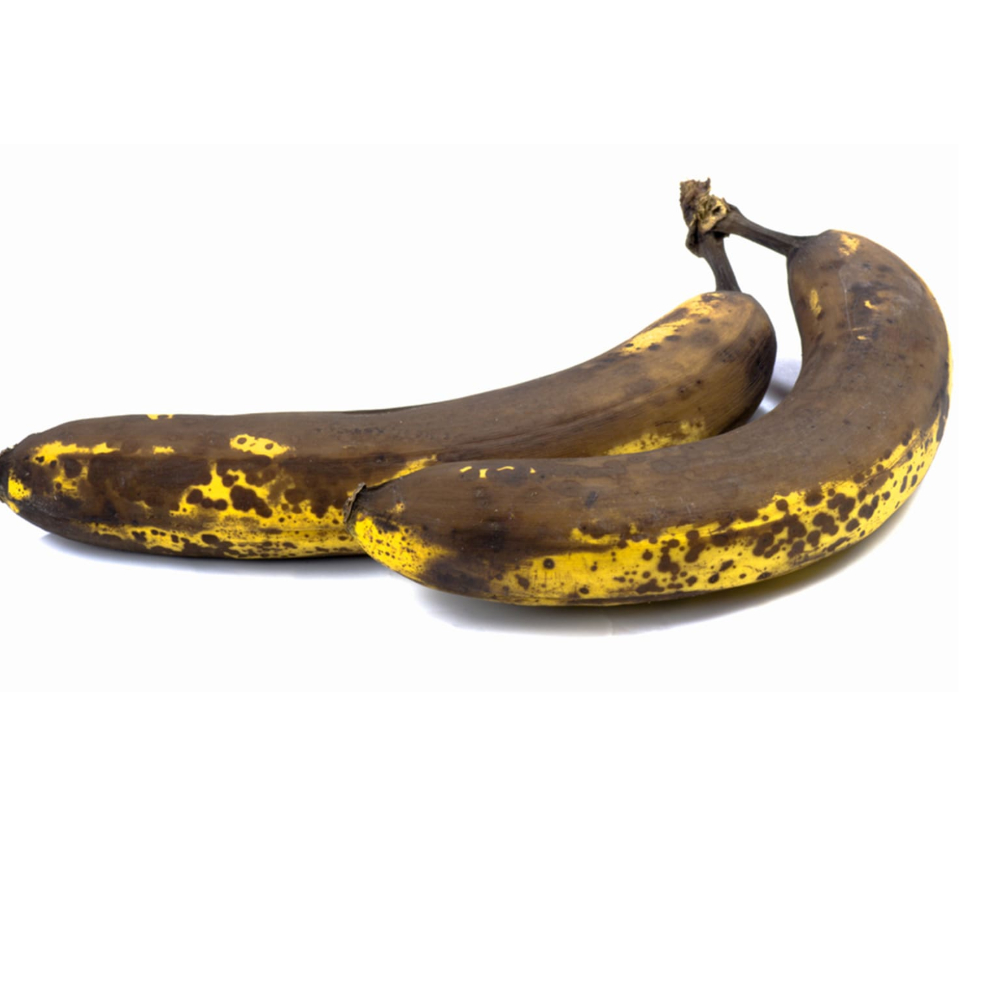
Composting: Banana peels break down quickly and add valuable nutrients to compost piles, enriching the resulting compost.
Polish for Houseplant Leaves: Rubbing the inside of a banana peel on the leaves of houseplants can remove dust and dirt, leaving them shiny and clean.
Seedling Moisture Boost: Placing a small piece of banana peel at the bottom of planting holes can provide extra moisture and nutrients to newly planted seedlings.
While bananas and their peels offer numerous benefits, it’s important to use them wisely in gardening to avoid attracting pests or causing imbalances in soil nutrients. Integrating bananas and their peels into your holistic health and gardening practices can enhance your well-being and the vitality of your plants in an eco-friendly and sustainable way.
Storing bananas properly can significantly extend their shelf life and maintain their quality. Here’s a guide on how to store bananas at different ripeness levels and how to freeze them for longer preservation.
Storage Options for Bananas:
Room Temperature: Keep unripe bananas at room temperature. This is ideal for bananas that are still green or just starting to yellow. They will continue to ripen slowly, becoming sweeter and softer over time.
Hanging Banana Bunch: Hang bananas from a hook or banana hanger. This reduces bruising and promotes even ripening by keeping them off surfaces and allowing air circulation around them.
Separate from Other Fruits: Some fruits release ethylene gas, which can accelerate ripening. If you want to slow down the ripening process, keep bananas away from these fruits.
Plastic Wrap Trick: Wrap the stems of bananas with plastic wrap. This reduces the emission of ethylene gas from the stems, slowing down the ripening process. Re-wrap after removing a banana from the bunch.
When bananas reach your preferred level of ripeness, you can slow down further ripening by:
Refrigerating: Place ripe bananas in the refrigerator. The peel may turn brown, but the fruit inside remains firm and delicious for several more days.
Freezing Bananas:
Freezing bananas is an excellent option for preserving their sweetness and is perfect for smoothies, baking, or cooking later. Here’s how to freeze them:
Peel the Bananas: It’s easier to use frozen bananas if you peel them first. The peel becomes very tough and difficult to remove once frozen.
Slice or Keep Whole: You can freeze bananas whole or in slices. Slices are handy for smoothies or smaller servings. If freezing whole, consider the space they’ll take up in your freezer.
Freeze on a Baking Sheet: If slicing, place the banana slices on a baking sheet lined with parchment paper, not touching each other. Freeze until solid, which helps prevent them from sticking together later.
Transfer to a Freezer Bag: Once frozen solid, transfer the bananas (slices or whole) to airtight freezer bags. Remove as much air as possible from the bags to prevent freezer burn. Label the bags with the date.
Thawing: When you’re ready to use them, let the bananas thaw at room temperature or microwave them for a few seconds. Frozen banana slices can be added directly to smoothies.
By storing bananas properly at each stage of their ripeness and utilizing freezing methods, you can enjoy their taste and nutritional benefits for longer periods.
